Join the Rushton Farm Staff for an informative look at starting seeds for the upcoming season. We will look at how to select seeds, propagation techniques, soil preparation, and how to ensure your seedlings grow strong and healthy. We will use hands on demonstration to show how we grow over 40,000 seedlings each year providing 30,000lbs of food. You don’t need to have a green thumb to join us and learn how to make the most of your garden!
Flappy Hour: Black Vultures in the Backyard
We are excited to welcome Bracken Brown, Biologist-Naturalist at Hawk Mountain Sanctuary, to join us and discuss the Black Vulture. Hawk Mountain is a leader on New World vulture research and has actively monitored and tracked both black and turkey vultures throughout their native ranges. In a time when many species are seeing widespread negative population trends black vultures are a species that has adopted and capitalized on an anthropogenic driven landscape and is seeing population and range expansion. This talk will share the variety of methods hawk mountain has employed to follow black vultures through their daily lives and how this data informs future trends within the population and best research techniques. The talk will also discuss the heavy overlap in human and vulture communities and potential causes and solutions to maintain a happy medium with these feathered highly intelligent, inquisitive, neighbors.”
Bracken Brown | grew up in the shadow of Hawk Mountain, and since his childhood has been engaged in the Sanctuary’s local trapping and monitoring projects, including the American Kestrel Nest Box Program, new world vulture research, and seasonal counts and surveys. In this position, Brown continues his efforts full time and assists in natural history monitoring and long-term research, conducting migration counts and surveys, and maintaining avian and GIS databases. Additionally, he will help with volunteer recruitment and public outreach.
Join Us for a Pop-Up Picnic Dinner to Help Kick Off Art on the Trails
A week-long event Art on the Trails: Preserve Gallery Walk with a pop-up picnic dinner on the lawn at the Rushton Conservation Center provided by our friends at Taste of Puebla. Wander the trails of Rushton Woods Preserve, enjoy the original Plein Air artwork by LandArt Events artists, and stay for a picnic with your group!

Pop-Up Picnic with Taste of Puebla
Friday, October 16th
from 4:30 – 7:00 pm
Rushton Conservation Center
Join us for a pop-up picnic dinner provided by our friends at Taste of Puebla held outside on the lawn at the Rushton Conservation Center. This event is BYOB, blanket, and chairs. There will be plenty of space to maintain social distancing while enjoying a menu featuring ingredients from Rushton Farm and other local Chester County farms. Guests are welcome to picnic on site or take their dinner to-go.
Ticket sales end at 12:00 pm on Thursday, October 15, 2020.
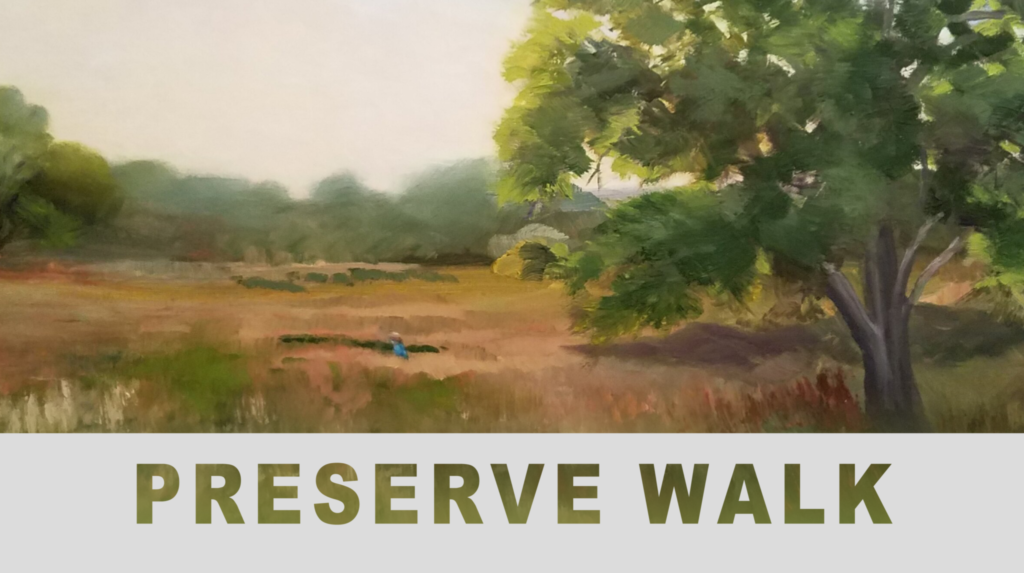
Art on the Trails:
Preserve Gallery Walk
October 17th – 24th from 8 am – 6 pm
Kirkwood, Ashbridge, Rushton Woods Preserve and Farm
Explore the Trust’s preserves through a Plein Air artist’s eye during our week-long, self-guided gallery walk. Trail markers will display the artist’s artwork along the trails of Kirkwood Preserve, Ashbridge Preserve, and Rushton Woods Preserve for you to enjoy from the same location the artist set up their easel. The preserves are open from dawn to dusk for you to wander the trails and collect a canvas for your own home. Visit landartevents.com to purchase the original artwork. LandArt Events donates 15% of all sales to WIllistown Conservation Trust.
Unraveling the Mysteries of Migration with Motus Technology
Since 2017 the Trust’s Bird Conservation Team along with its partners (the Ned Smith Center for Nature and Art, Project Owlnet, and the Carnegie Museum of Natural History’s Powdermill Nature Reserve) has been working tirelessly to establish what is now the world’s second largest array of the Motus Wildlife Tracking System’s automated radio telemetry stations. Motus is a collaborative research project that uses a network of receiving stations to track the movements of birds and other small flying animals tagged with miniature radio transmitters. This cutting-edge technology has transformed our knowledge of bird migration. Watch this fascinating presentation from the Trust’s Bird Conservation Team to hear what researchers have begun to learn and how these discoveries can be shared to help further bird conservation in your community. Recorded on September 10, 2020.
Tomato Tasting Recipes
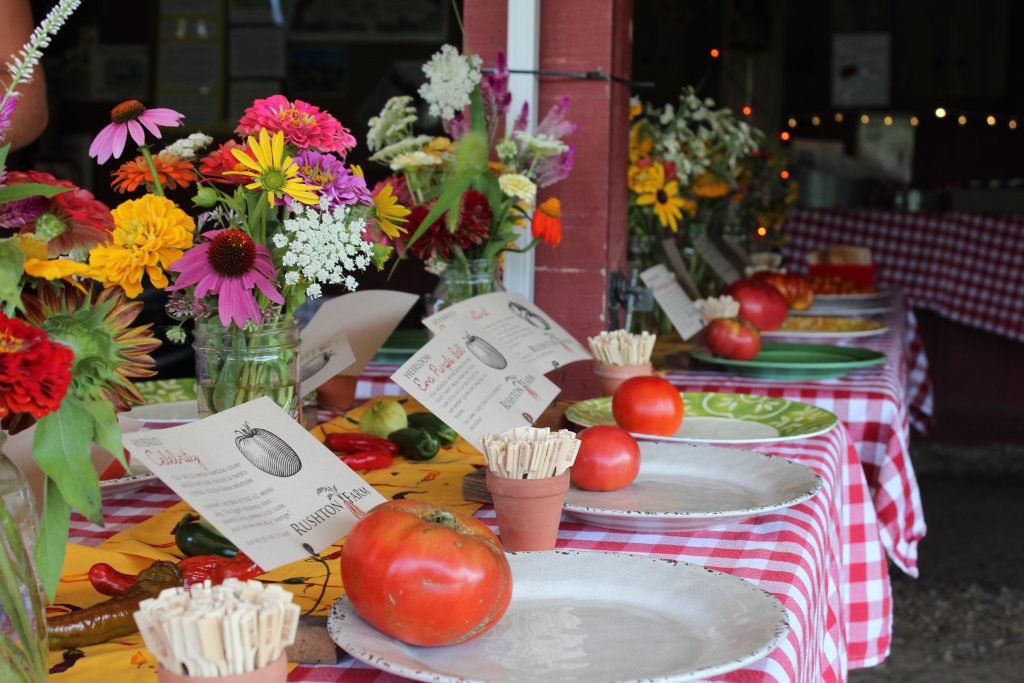
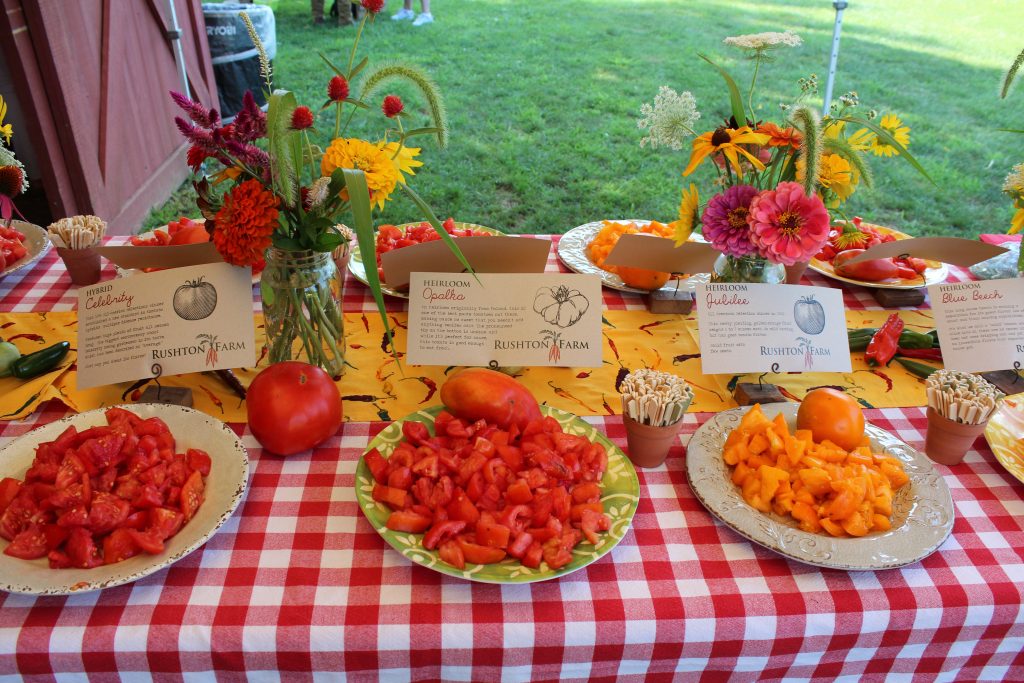
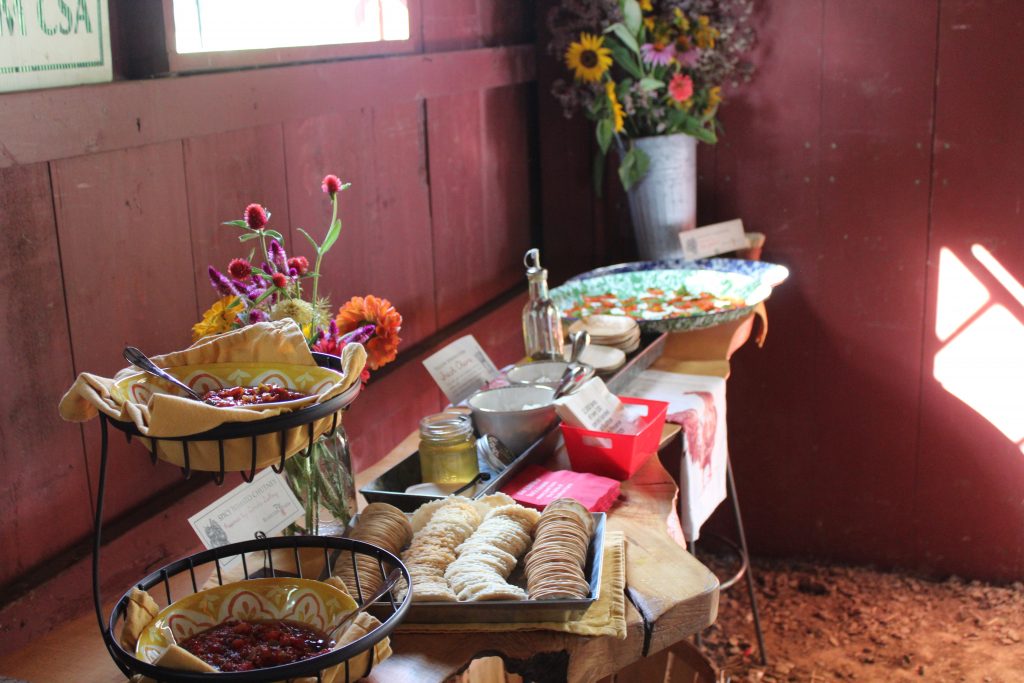
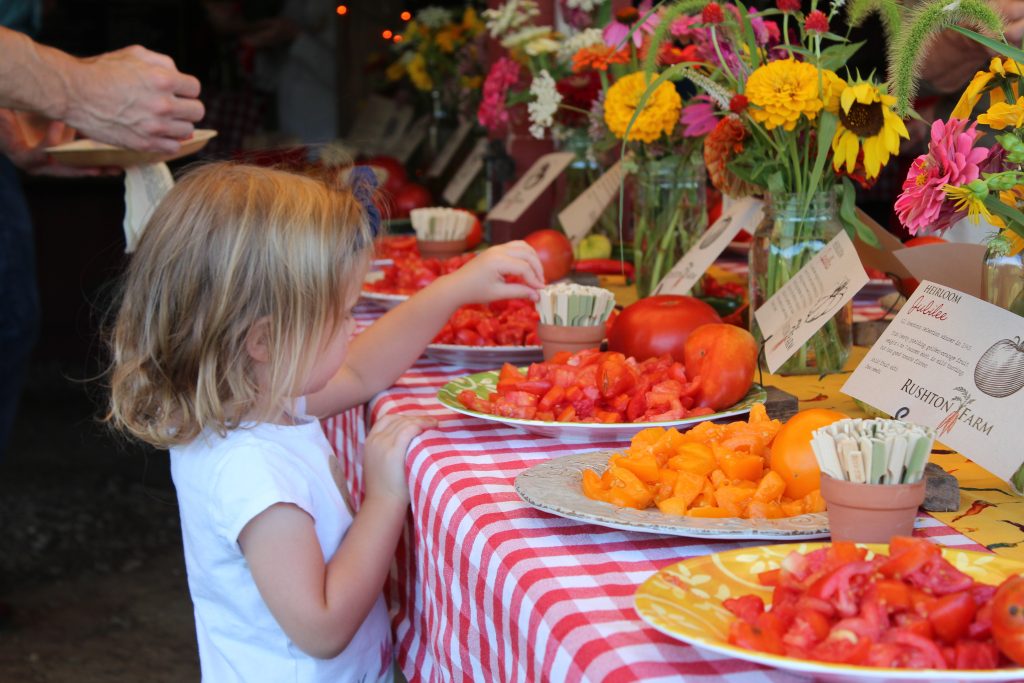
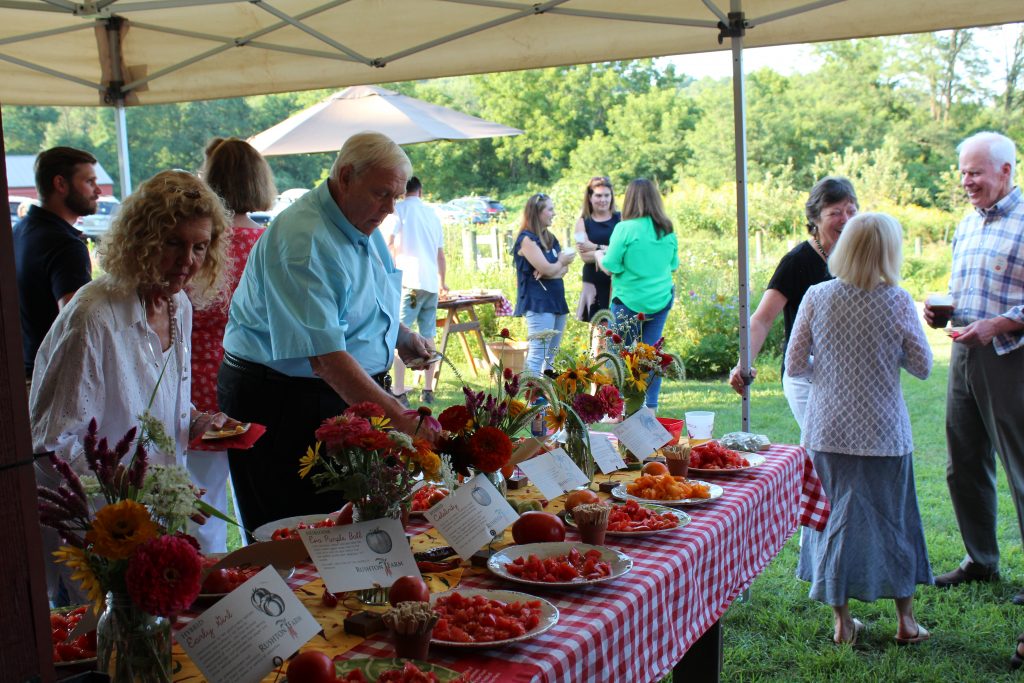
Can’t make it to our Tomato Tasting event? Join us in spirit and celebrate tomato season by making our favorite tomato recipes for you and your family!
SPICY TOMATO CHUTNEY
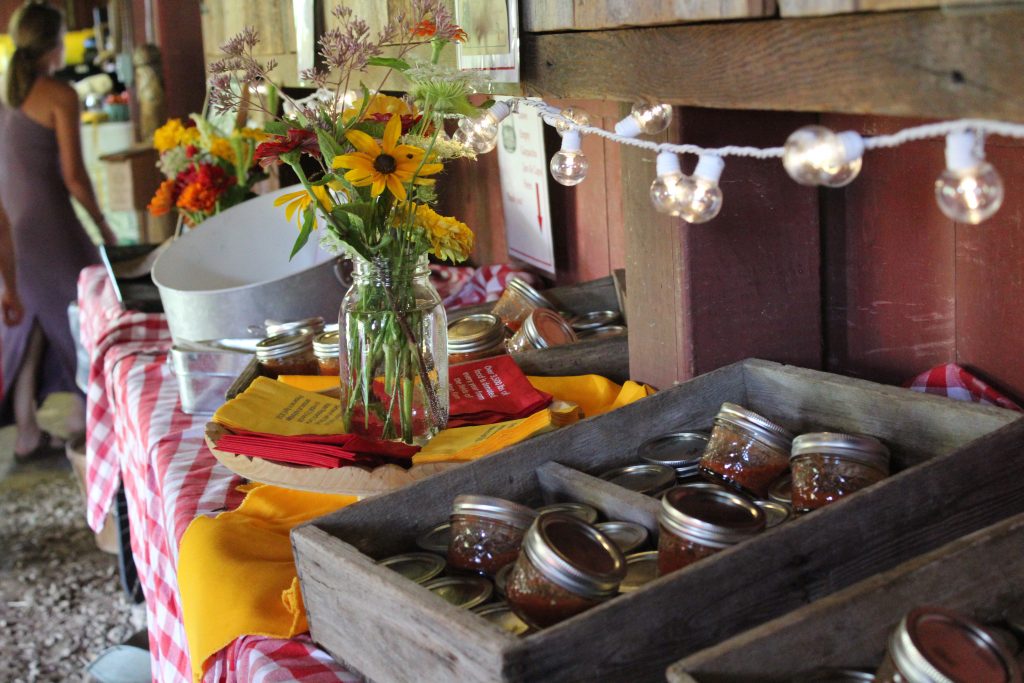
Spicy Tomato Chutney was served at Tomato Tasting on a cracker with fresh chevre (goat cheese).
INGREDIENTS
2 pounds vine-ripened tomatoes
3/4 cup chopped scallion greens
1 red bell pepper
1/2 cup red-wine vinegar
3/4 cup cider vinegar
3/4 cup sugar
1 tsp. salt
2 tsp. mustard seeds
1/2 tsp. freshly ground black pepper
1/2 tsp. dried hot red pepper flakes
DIRECTIONS
1. Chop tomatoes and bell pepper.
2. In a medium saucepan bring all the different kinds of vinegar to a boil with sugar, salt, mustard seeds, black pepper, and red pepper flakes, stirring occasionally, and stir in tomatoes, bell pepper, and scallions.
3. Simmer mixture, uncovered, stirring occasionally (stir more frequently toward the end of cooking), until thickened and reduced. Cooking time will depend on how much liquid your tomatoes give off, usually 90 minutes to three hours.
4. Cool chutney completely. Put in mason jars. Tastes best after it sits in the refrigerator for a week.
5. Chutney keeps, covered and chilled, for a total of 2 weeks.
– Adapted from Gourmet Magazine
OUR BASIC BRUSCHETTA
INGREDIENTS
12 to 14 fresh ripe plum tomatoes (about 1 3/4 lbs.)
2 tbsp. minced garlic
2 tbsp. minced shallots
1 cup fresh basil leaves
3 cloves of garlic, slivered
1 tsp. fresh lemon juice
Salt and coarsely ground black pepper, to taste
1/3 cup plus 1/4 cup finest olive oil
8 thick slices of peasant bread (whole grain flour)
DIRECTIONS
1. Cut the tomatoes into 1/4 inch dice and place in a bowl. Toss with minced garlic and shallots.
2. Chop the basil coarsely and add to the tomatoes, along with the lemon juice, salt and pepper, and 1/3 cup olive oil. Set aside.
3. Heat the 1/4 cup olive oil in a small skillet. Sauté the slivered garlic until golden, 2 to 3 minutes. Discard the garlic and reserve the oil.
4. Toast the bread and cut each slice in half. Arrange the slices on eight small plates. Brush the garlic flavored oil over each slice, spoon the tomato mixture over the bread, and serve immediately.
The mixture should be at room temperature. Do not refrigerate – that will compromise the flavor.
– From the New Basics Silver Palate
RUSHTON FARM GAZPACHO
INGREDIENTS
1 cucumber, halved and seeded, but not peeled
2 red (or green) bell peppers, cored and seeded
4 plum tomatoes
1 red onion
3 garlic cloves, minced
3 cups of tomato juice from fresh cored, peeled and seeded tomatoes
(spicy V8 tomato juice works too!)
1/4 cup white balsamic vinegar
1/4 cup good olive oil
1/2 tbsp. kosher salt
1 tbsp. Rushton Farm honey
DIRECTIONS
1. Roughly chop the cucumbers, bell peppers, tomatoes, and red onions into 1-inch cubes. Put each vegetable separately into a food processor fitted with a steel blade and pulse until it is coarsely chopped. Do not over-process!
2. After each vegetable is processed, combine them in a large bowl and add the garlic, tomato juice, vinegar, olive oil, salt, and pepper. Mix well and chill before serving. Gazpacho tastes best if refrigerated overnight. The longer gazpacho sits, the more the flavors develop.
– Adapted from The Barefoot Contessa Cookbook by Ina Garte
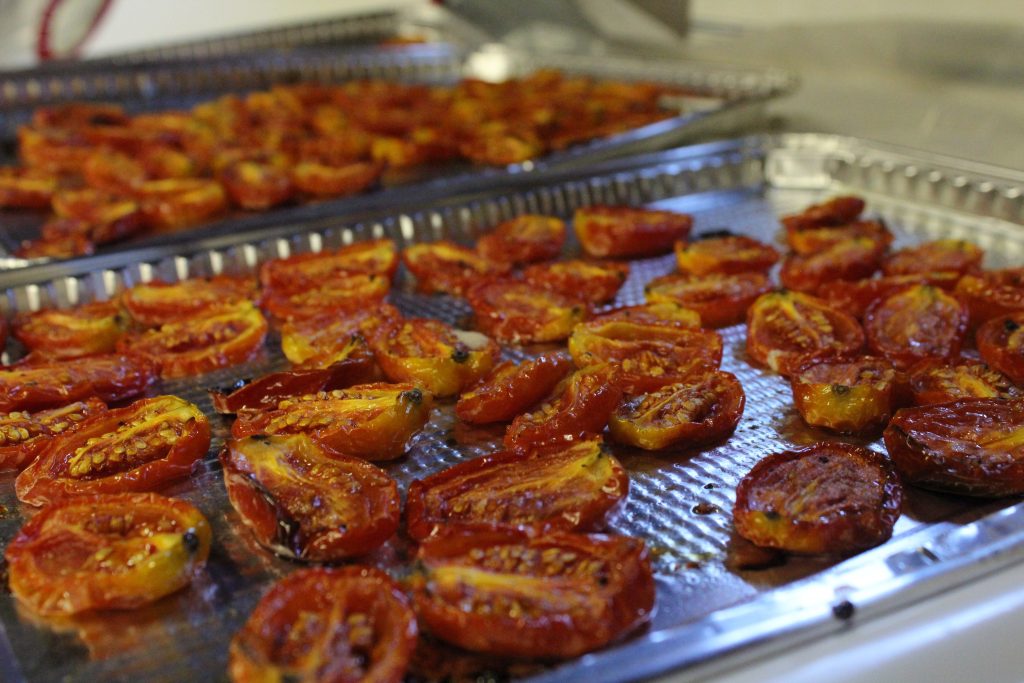
ROASTED TOMATOES
Make a morning of or day before – do not refrigerate. This recipe is best with Italian plum type tomatoes, but you can use any type of tomato, so long as it is fresh and vine ripened. Larger tomatoes will take longer and the heat may need to be reduced after they are caramelized to dehydrate them a bit. The small plum-shaped Juliet tomatoes are our favorites for appetizers.
INGREDIENTS (enough for 6-8 baking sheets)
-Plum tomatoes – preferably Juliet or San Marzano (use all the same kind for even cooking)
-Best quality olive oil
-Grey salt to taste
-Pepper to taste
DIRECTIONS
1. Preheat oven to 400 degrees, and rub olive oil over a rimmed cookie sheet or baking pan. We prefer disposable foil cookie sheets which we re-use several times since clean-up of the pan is difficult.
2. Slice the tomatoes in half lengthwise, toss in a bowl with olive oil, salt, and pepper, making sure all of the tomatoes are coated. Place on the pan skin side down.
3. Roast in the oven until the tomatoes begin to caramelize – the tops should start to get brown. Usually takes 30 to 45 minutes or so, but you have to keep watching them. They go from red to black quickly, so don’t forget about them! Bigger tomatoes will take longer. If using a large tomato variety other than plum, turn the heat down to 325 degrees after caramelization, and continue roasting until the tomato has shrunken and dried up a bit.
4. Remove individual tomatoes as they are done – they may not all be done at the same time. Keep them skin side down to form a little cup to hold the juices. Let them sit on the counter for a few hours uncovered – as they dry out the flavor intensifies.
Tip: For an extra treat, deglaze the pan with some wine or stock, scraping up all the browned tomato bits and reserve for your next sauce or soup.
The finished product can be used in endless ways, yielding an amazingly concentrated, rich, deep, sweet tomato flavor to all kinds of dishes. Chop it up and use as a base for tomato sauce; serve on crackers as an hors d’oeuvre; puree with stock and fresh herbs for an amazing tomato soup; put it on toasted bread with mayonnaise and basil for a fabulous sandwich, etc.
They can also be frozen in Ziploc bags – the texture will be lost, but the flavor will be there and is a perfect base for the sauce.