WILLISTOWN CONSERVATION TRUST

  • Facebook
  • Instagram
  • LinkedIn
  • YouTube
DONATE
  • About
    • HOW WE WORK
    • WHERE WE WORK
    • OUR STAFF AND TRUSTEES
    • JOBS & INTERNSHIPS
    • RUSHTON CONSERVATION CENTER
    • STRATEGIC PLAN
    • INCLUSION, ACCESS, AND BELONGING
    • FAQs
  • LATEST
    • BLOG
    • IN THE NEWS
    • PUBLICATIONS
    • PHOTOS
  • EDUCATION
    • GROUP EDUCATION
    • LAND PROTECTION
    • STEWARDSHIP
    • BIRD CONSERVATION
    • COMMUNITY FARM
    • WATERSHED PROTECTION
    • ECOCENTRIC EXPERIENCE
    • RUSHTON NATURE KEEPERS (RNK)
  • NATURE PRESERVES
    • ASHBRIDGE PRESERVE
    • HARTMAN MEADOW
    • KESTREL HILL PRESERVE
    • KIRKWOOD PRESERVE
    • RUSHTON WOODS PRESERVE
  • EVENTS
    • EVENT CALENDAR
    • BARNS & BBQ
    • RUN-A-MUCK
    • WILDFLOWER WEEK
    • ACCESS Program
  • Support
    • WAYS TO GIVE
    • SPONSOR THE TRUST
    • CORPORATE PARTNERSHIP PROGRAM
    • JOIN THE SYCAMORE SOCIETY
    • LEGACY SOCIETY & PLANNED GIVING
    • VOLUNTEER
    • DELCO GIVES 2026
  • OUR NEWEST PRESERVE
    • OUR NEWEST PRESERVE- KESTREL HILL

Why Donating is Important

June 29, 2020 By Fred De Long

Excerpt from The Wild Carrot, June 23, 2020, a weekly newsletter from staff to Rushton Farm CSA members.)

Family Planting

Katerina and Fred delivering first donation to West Chester Food Cupboard 2020.
Last week was our first big harvest with the spring vegetables finally making an appearance. With the abundance of produce coming out of the fields I wanted to take the opportunity to have our family take the first food donation to the West Chester Food Cupboard. Lisa Kiziuk (Bird Conservation Director, UPenn Professor, College Ref, Master of All), Katerina (precocious teen), and I (happy farmer) gathered up 70lbs of fresh vegetables harvested by the tremendous Rushton Farm Staff and headed to the Cupboard to provide produce to members of our community who need it most in these uncertain times.

I realized the importance of our donation when the staff at the West Chester Food Cupboard welcomed our delivery after closing hours. We were greeted with the smiling faces (behind masks) of volunteers who make sure the donated food gets to the people who rely on it. Being able to share this experience with Katerina made me understand why I became a farmer. A farmer’s primary job is to provide. Provide not just to those who can afford food, but those who cannot.

Of course, you do not need to have a farm to provide food for area food banks. If you have a garden consider donating a portion of your harvest. If you do not, consider donating healthy canned goods or volunteering time at a food bank. As always, you can donate your CSA pick-up. All food left at the end of a pick-up day is donated to the West Chester Food Cupboard.

I do think that it is important to share any of these efforts with your kids. My parents involved me in food donation at an early age and it has impacted me ever since. Over the past 10 years, Katerina has helped plant, harvest, and donate food and I would hope it has given her some insight into helping others.

Of course, right now she is helping her friends load up the car for a trip to the shore. Seems about right for a 17 year old rising senior. We still have the rest of the summer to get her into the field and back to the food bank. I can hear her exhausted sigh from here.

-Fred
First drop off at the West Chester Food Cupboard 2009. Photo by Fred de Long/Staff.
Katerina planting apple trees at Rushton 2009. Photo by Fred de Long/Staff.

Filed Under: agroecology, Farm, Sustainable Agriculture

Feeding Our Community

May 27, 2020 By Fred De Long

(Excerpt from The Wild Carrot, April 21, 2020, a weekly newsletter from staff to Rushton Farm CSA members.)
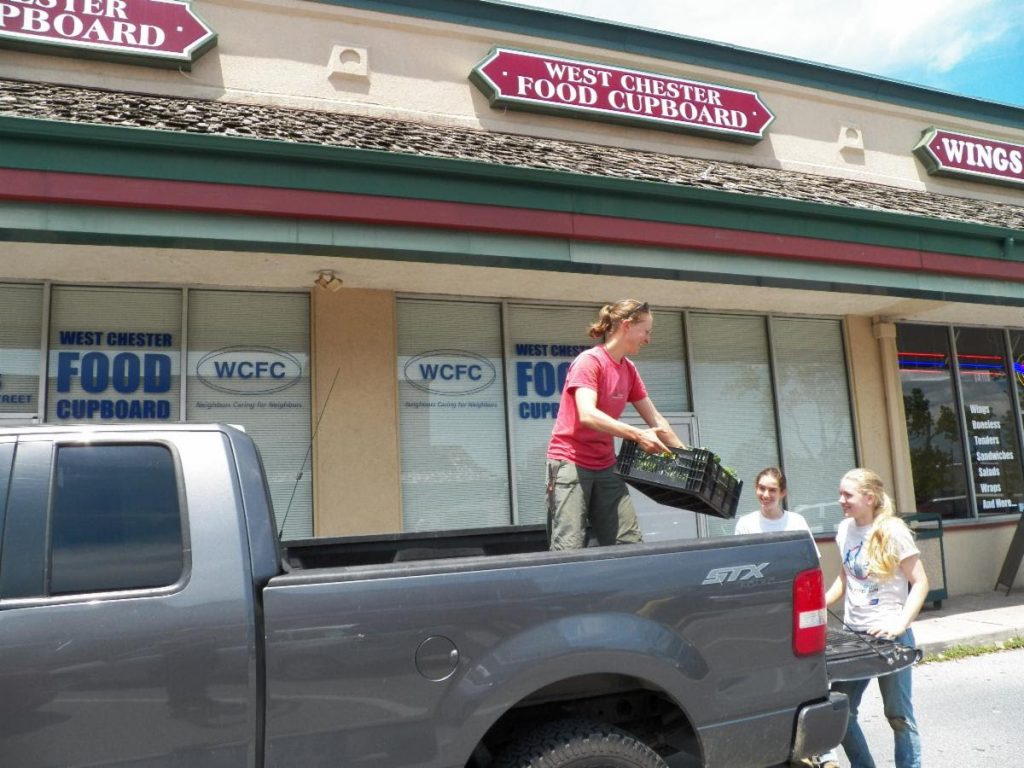
Share the Bounty

Food insecurity in the United States is always a problem. In these uncertain times, food insecurity has moved front and center as a primary issue that needs to be addressed immediately. There has been a call to action for farmers to prioritize the need for food donations as they start their season. As we begin planting it is with full knowledge that we need to maximize production so that those facing food insecurity can benefit from the fresh fruits and vegetables we grow.

From the first stages of planning for Rushton Farm, we understood that as a community farm we had an obligation to make sure a significant portion of what we grew went to those in need. The Share the Bounty program was established to work with local food banks to see how Rushton Farm could best meet the needs of our local community. Between 12% and 15% of what is grown at Rushton goes to area food banks including the West Chester Food Cupboard and the Chester County Food Bank. That amounts to 3,500 to 4,000 pounds of food a year. Since Rushton Farm began, over 35,000 pounds of fresh produce has been donated.

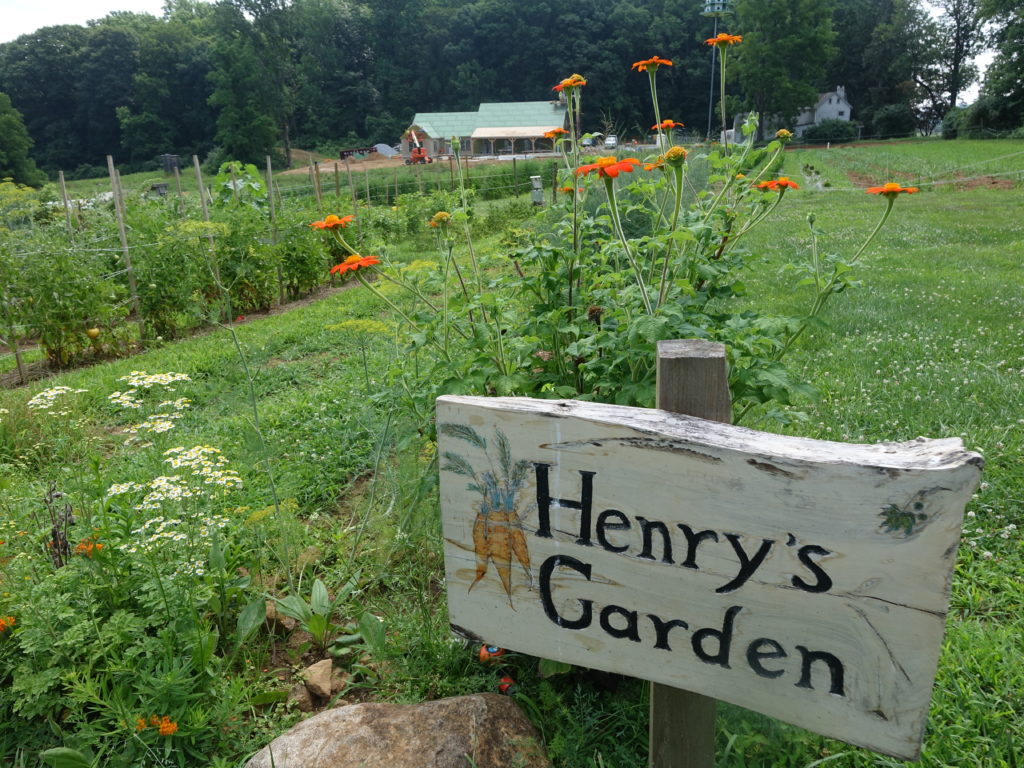
Through this season, Rushton Farm is significantly expanding the Share the Bounty program. Our goal is to donate over 5,000 pounds of produce to those facing food insecurity issues. Our donation garden, Henry’s Garden is expanding. We are sharing plants with area gardeners with the intent that the food they grow is donated. We will be collaborating with area farmers on how, as a community, we can best utilize our efforts. We will be working with area organizations to find support for donation programs. As this crisis continues, Rushton Farm will continue to reach out to those in need and use our tremendous resources to feed our community.
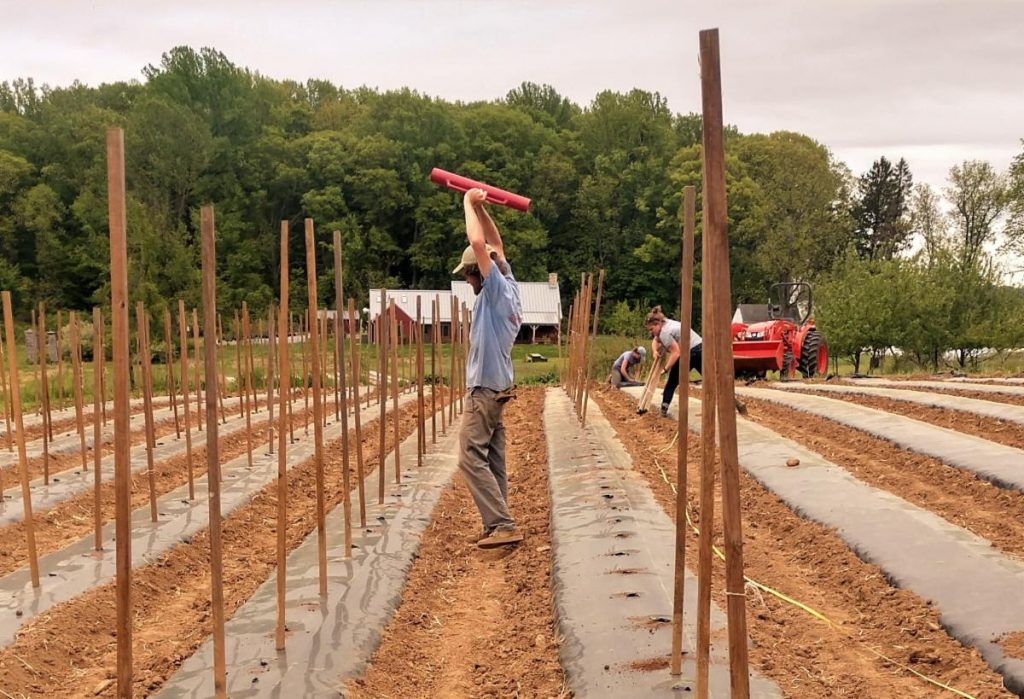
Farm staff hard at work pounding stakes this spring. Photo by Fred de Long

Positive Vibes


Once in a while you get shown the light

In the strangest of places if you look at it right 

During uncertain times, it is so important to keep positive. This is especially true in farming where long hours and heavy labor can wear on those in the field. I have been so proud of the energy and exuberance that Molly, Noah, and Eliza have brought to the fields at Rushton. We have been shorthanded all season, but the effort put out by the Rushton Farm Staff has been nothing short of incredible. Molly’s constant smile, Noah’s wit, and wisdom and Eliza’s cheerful nature (while keeping 20 feet of social distancing) have helped the farm thrive. My own physical and mental health has benefited greatly by these amazing people. I have not felt this good about a season in years. 
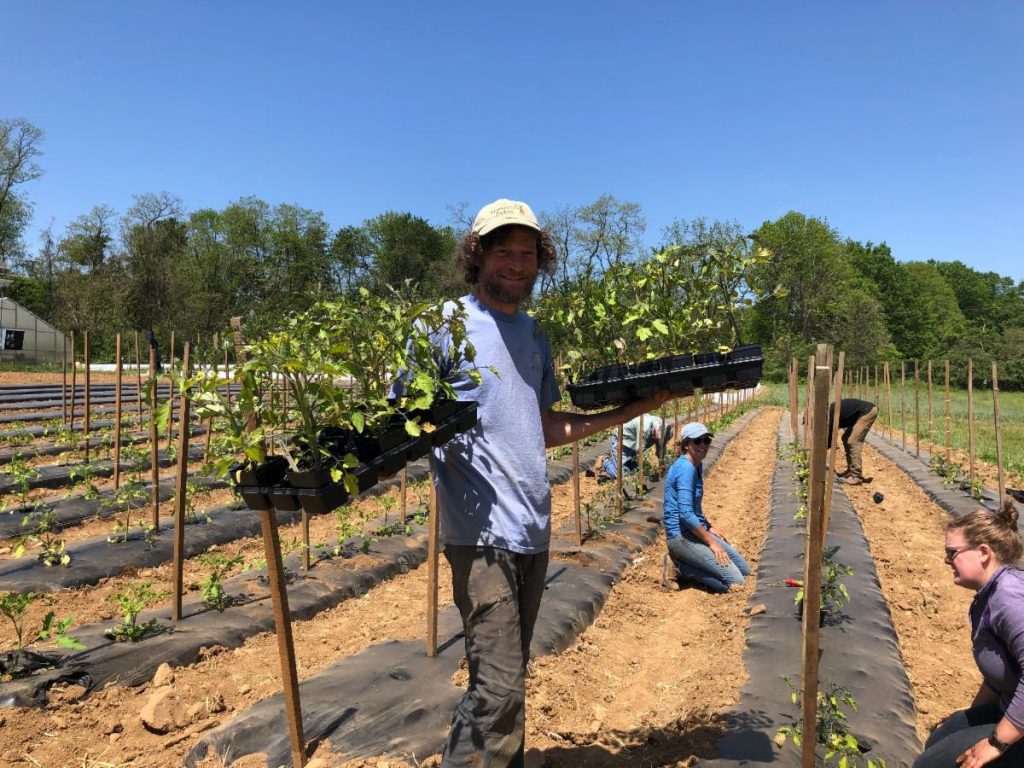
Noah giving off positive vibes.

With that said, the real work starts this week and while I am going to be spending time in the field, I may have lost a step or two in my aged body. This week Caitlin Welsh returns to the Rushton Farm Staff to pick up my slack, and she is a welcome sight. Always upbeat and full of energy, Caitlin brings another ray of sunshine to the fields of Rushton. Caitlin is a triple threat being an accomplished birder, an educator and she knows her way around a farm. She will be a great addition as we start planting broccoli, cabbage, lettuce, and six thousand onions this week. I am excited to start work in the field with such a talented staff (excited for the comradery, not so much the labor).  

The Rushton Farm Staff is looking forward to the end of May when we can see our loyal community members and share our joy in a new season. Stay well.

Fred
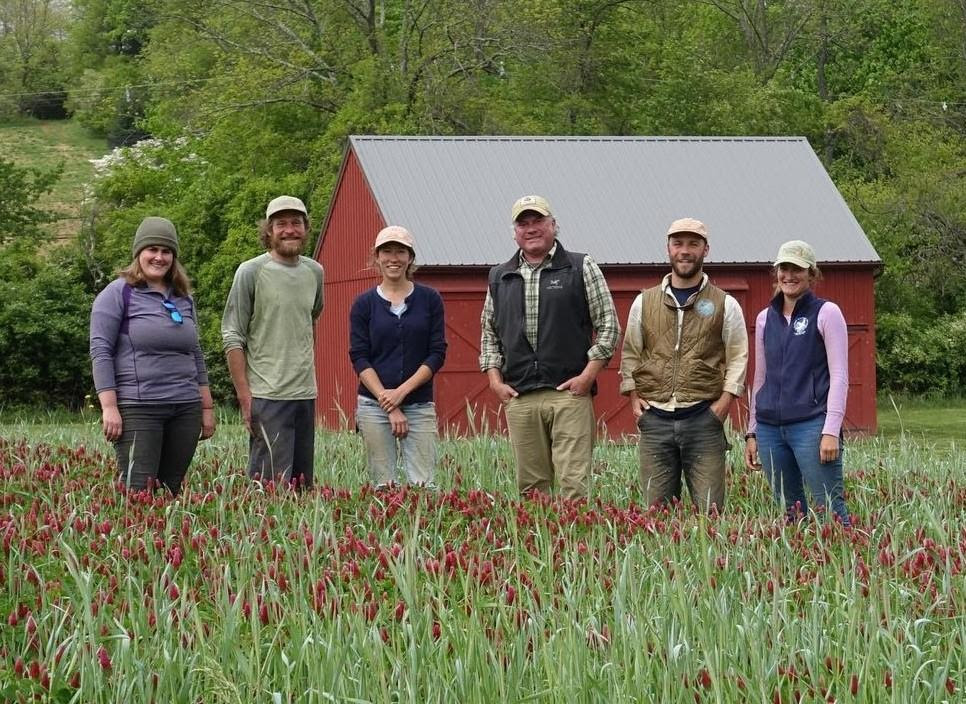
The 2017 staff. Chelsea and Todd are greatly missed, but we have Caitlin, Noah, Fred and Molly starting the 2020 season.

Filed Under: agroecology, Farm, Sustainable Agriculture Tagged With: food donation, food insecurity, food systems

Plants Want to Live

April 20, 2020 By Fred De Long

(Excerpt from The Wild Carrot, April 3, 2020, a weekly newsletter from staff to Rushton Farm CSA members.)

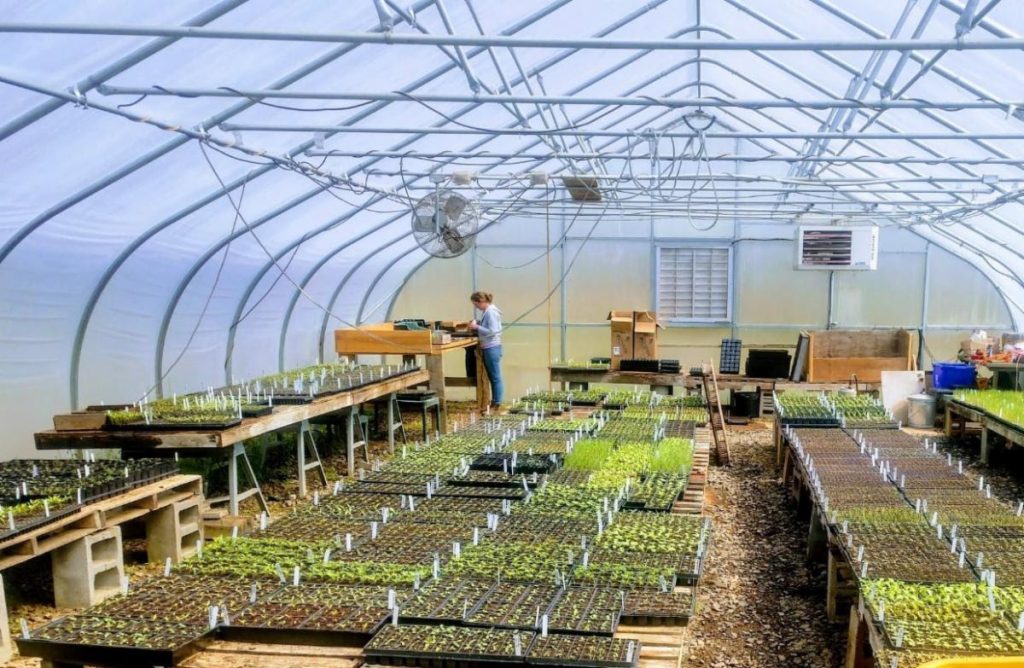
Molly seeding away in the greenhouse, day after day. Photo by Fred de Long/Staff

Plants want to live. It is a simple statement said to a 17-year-old teen named Freddy de Long when he forgot to turn on the fans in a greenhouse on a warm spring day. The greenhouse manager had walked in to find 40,000 seedlings in various stages of wilt in a 120-degree atmosphere. Freddy was summoned from the field and was apoplectic at the sight. Sure that he had ruined the season he apologized deeply and prepared to pack up his things and head home. That is when Marley, the greenhouse manager, said, “Relax Freddy, plants want to live. Turn on the fans, soak them with water, and don’t ever let it (expletive) happen again”. I watered and it worked, the plants were revived. What looked like the end of a season was the beginning of a great one as the revived plants made for a very productive season.

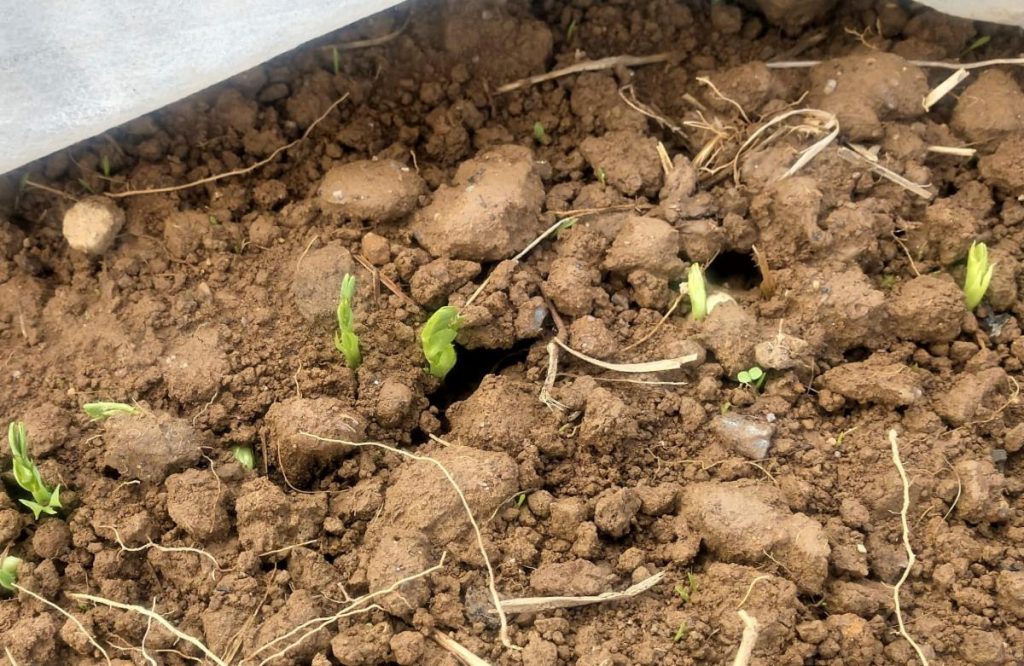
I have been thinking of that experience as we enter a new season at an uncertain time. Over 30,000 plants are growing in the greenhouse as we plant the first peas in the field. The garlic in the field looks great as the first carrots break through the cool soil. Lettuce, greens, broccoli and cabbage stretch as they prepare their trip from greenhouse to soil next week. It is a time of rebirth and the sight of it all is calming in this stressful period. It revives your spirit and makes you appreciate life around you.

I say all of this because Molly, Noah and I are thinking of our Rushton family as we work to grow food for the upcoming season. Our CSA members and Rushton Farm volunteers are deeply missed and we look forward to the end of May and the start of the season when we once again can gather and share in a glorious season of food, friends, and family. We all want to live as we lived before. It will take some time, but soon we will be sharing the bounty of Rushton Farm as a community. Until then we will be sharing what is going on at Rushton Farm through our weekly edition of The Wild Carrot every Tuesday. I hope that this will help our community share in the farm experience as the farm awakens and a new season is born.

Summer is coming. 

-Fred

First pea sprouts emerging from the soil. Photo by Fred de Long/Staff

Filed Under: agroecology, Farm, Sustainable Agriculture Tagged With: farm, greenhouse, regenerative farming, Rushton Farm, sustainable farming

Water, water everywhere and lots and lots to drink

July 19, 2019 By Fred De Long

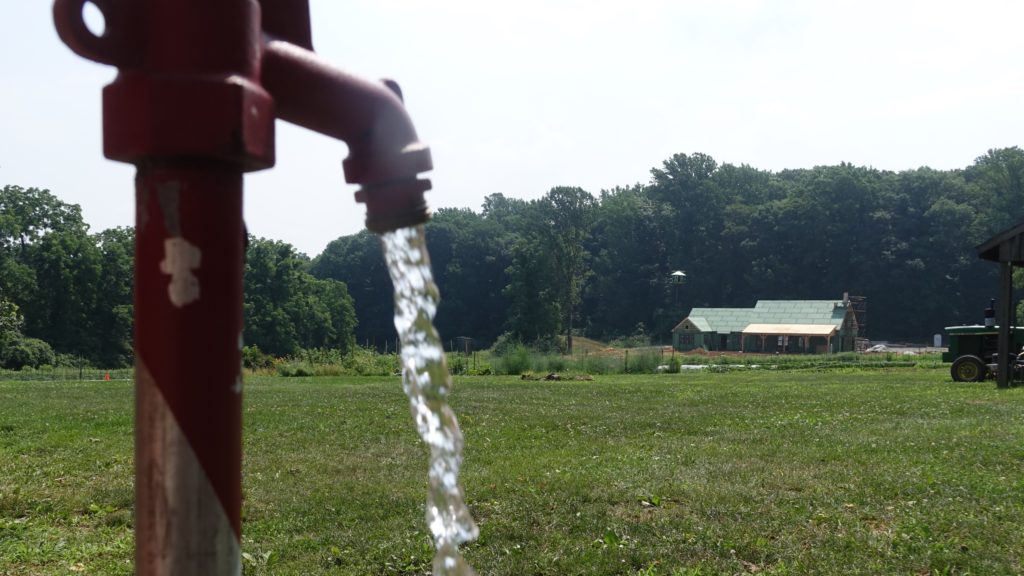
WaEvery so often, a visitor or volunteer at the farm will ask if the water from our well is “safe” to drink. This is usually because they are used to treated water pumped to their homes from utility companies. Those of us growing up in less urban conditions are used to the comfort of knowing your water source. In Rushton’s case, it is a wonderful 600 foot well that provides cold, crystal clear refreshment on hot days such as these.

well, well, well

When Rushton Farm was first established a good water source was a must so we had multiple well engineers come out to judge the best site to drill a well. When a site was chosen drilling began and panic ensued as we reached the maximum depth without hitting a water vein with a high flow rate. It was in the last few feet of drilling that we hit a source with a flow rate of 14 gallons per minute, perfect for our farm. The water is tested every year and always comes out as immaculate. Discussing water quality may seem mundane but it is one of the most important parts of the farm. 

Filed Under: Farm, Sustainable Agriculture

Meet Henry’s Garden

July 16, 2019 By Fred De Long

In 2012 Henry’s Garden was established in memory of Henry Jordan whose commitment to addressing issues of poverty and access to nutritious food brought him to the Advisory Board of the Chester County Food Bank. Henry’s Garden is designed to be a smaller version of Rushton Farm where community members, school groups and volunteers can come out and learn how even a backyard garden can supply hundreds of pounds of fresh, chemical-free, local produce- yielding both nutritional and educational benefits to the community. 

All food is grown and harvested by volunteers and donated to the West Chester Food Cupboard or Chester County Food Bank.

Filed Under: Farm, Sustainable Agriculture

  • « Previous Page
  • 1
  • 2

CONTACT

925 Providence Road
Newtown Square, PA 19073
(610) 353-2562
land@wctrust.org

501(c)(3) EIN 23-2841453

JOIN OUR MAILING LIST

Copyright © 2026 · WCTRUST.ORG