WILLISTOWN CONSERVATION TRUST

  • Facebook
  • Instagram
  • LinkedIn
  • YouTube
DONATE
  • About
    • HOW WE WORK
    • WHERE WE WORK
    • OUR STAFF AND TRUSTEES
    • JOBS & INTERNSHIPS
    • RUSHTON CONSERVATION CENTER
    • STRATEGIC PLAN
    • INCLUSION, ACCESS, AND BELONGING
    • FAQs
  • LATEST
    • BLOG
    • IN THE NEWS
    • PUBLICATIONS
    • PHOTOS
  • EDUCATION
    • GROUPS
    • LAND PROTECTION
    • STEWARDSHIP
    • BIRD CONSERVATION
    • COMMUNITY FARM
    • WATERSHED PROTECTION
    • ECOCENTRIC EXPERIENCE
    • RUSHTON NATURE KEEPERS (RNK)
  • NATURE PRESERVES
    • ASHBRIDGE PRESERVE
    • HARTMAN MEADOW
    • KESTREL HILL PRESERVE
    • KIRKWOOD PRESERVE
    • RUSHTON WOODS PRESERVE
  • EVENTS
    • EVENT CALENDAR
    • BARNS & BBQ
    • RUN-A-MUCK
    • WILDFLOWER WEEK
    • ACCESS Program
  • Support
    • WAYS TO GIVE
    • SPONSOR THE TRUST
    • CORPORATE PARTNERSHIP PROGRAM
    • JOIN THE SYCAMORE SOCIETY
    • LEGACY SOCIETY & PLANNED GIVING
    • VOLUNTEER
  • OUR NEWEST PRESERVE
    • OUR NEWEST PRESERVE- KESTREL HILL

Ten More Acres on Grubbs Mill Road!

October 22, 2018 By Blake Goll

Ben and Kate Etherington Ben and Kate Etherington The barn at Rooster Run Farm. The barn at Rooster Run Farm. Two of the Etherington children and the vegetable garden at Rooster Run Farm. Two of the Etherington children and the vegetable garden at Rooster Run Farm. Just a few of the farm animals at Rooster Run Farm. Just a few of the farm animals at Rooster Run Farm.

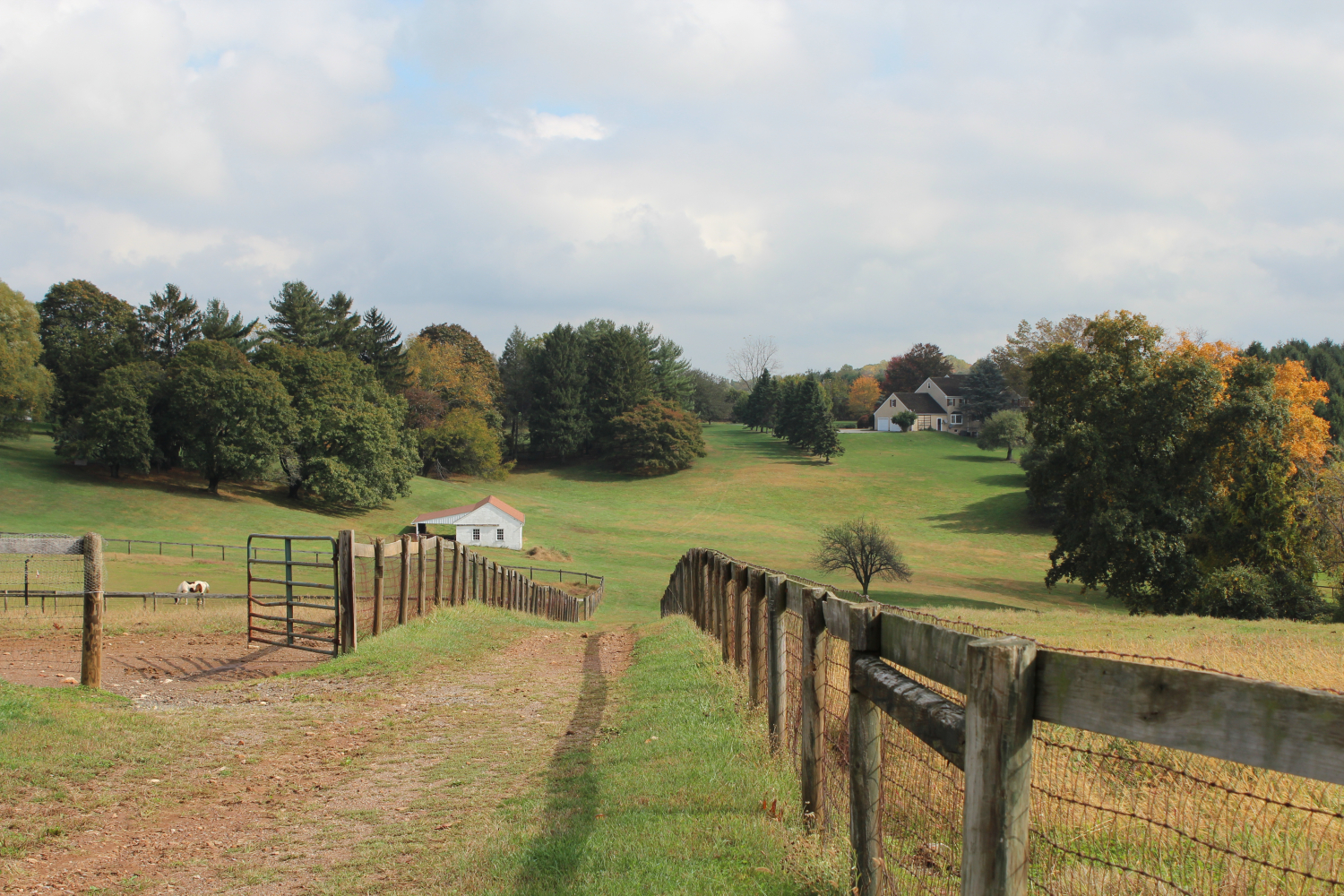
The Trust added 10 more acres to our growing collection of permanently conserved lands when Kate and Ben Etherington granted a conservation easement to the Trust in mid-October.  The conservation of their idyllic ten-acre Rooster Run Farm, located within the 316-acre “Leopard Tract” on Grubbs Mill Road, is a true gift to the community.

“I grew up on this farm, and I am truly fortunate to be able to raise my own family here. This conservation easement ensures that Rooster Run will remain intact forever, and continue to be home to creatures and wildlife for future generations,” said Kate Etherington. “And to be able to share it, by protecting the view of the landscape, and with an equestrian trail easement, is especially important to us.”

The conservation easement protects the scenic views of the landscape on the property and prevents future subdivision or construction of additional primary residences. The protection also includes an equestrian trail easement that will link to a future trail network envisioned for the area.

Kate and Ben live on the farm with their three young daughters. Rooster Run is also home to a menagerie of animals, including chickens, turkeys, ponies, goats and a pig named Daisy. Ben and Kate are keen vegetable gardeners, tending a large cultivated plot on the farm.

The Etheringtons have worked with the Trust to create an easement that can both protect their land and be used as a model by other Leopard Tract landowners, simplifying the process for those who wish to similarly conserve their land. It is our hope that they will be inspired by the Etherington’s generosity and vision and follow suit, granting their own easements to further protect the ecological resources and rural character of the area.

As with all conservation easements, the protection granted in the easement will remain in perpetuity, even if the land is sold. As part Willistown Conservation Trust’s mission, the land will be visited annually to monitor the condition of the property and ensure that the terms of the easement are upheld.

As shown by a recent census, land trusts like Willistown Conservation Trust have conserved a staggering 56 million acres across the nation, an area of protected land that is double the size of all the land in national parks across the lower 48 states. Learn more about how we protect land here.

Filed Under: Land Protection

U.S. FISH & WILDLIFE PROVIDES GRANT TO TRACK BIRD SPECIES OF GREATEST CONCERN IN MID-ATLANTIC REGION

October 1, 2018 By Blake Goll

WILLISTOWN, PENNSYLVANIA (Sept. 21, 2018) — A research collaboration led by the Willistown Conservation Trust, in partnership with several state agencies and nonprofits, received a  $500,000 grant from the U.S. Fish and Wildlife Service (USFWS) to dramatically expand a new migration tracking system across a five-state area.

The grant, awarded through the Pennsylvania Game Commission and Maryland Department of Natural Resources, will be administered by the Willistown Conservation Trust in Chester County on behalf of the Northeast Motus Collaboration (northeastmotus.com), a partnership of the Willistown Conservation Trust; the Ned Smith Center for Nature and Art; Project Owlnet;  and the Carnegie Museum of Natural History’s Powdermill Nature Reserve.

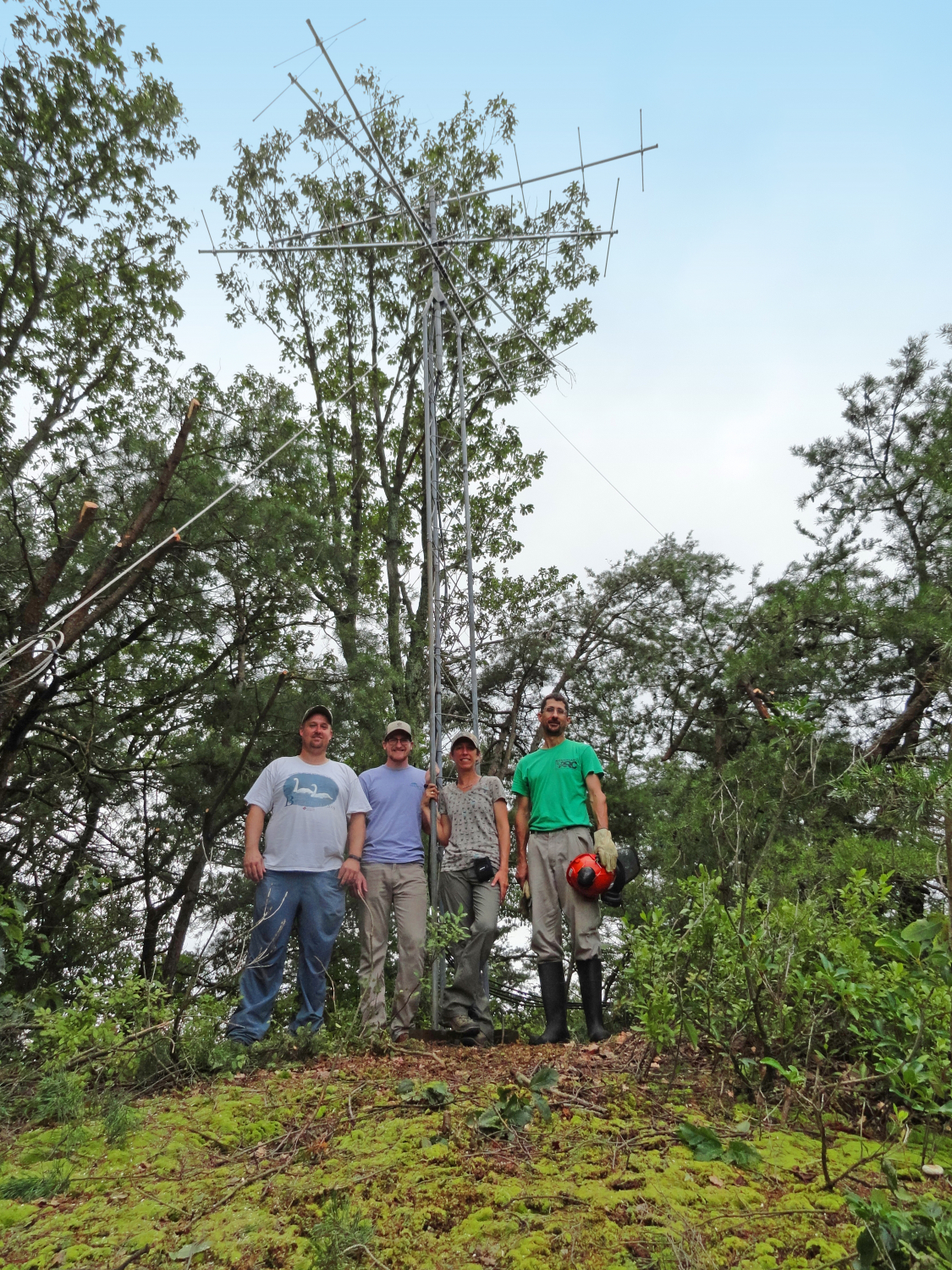
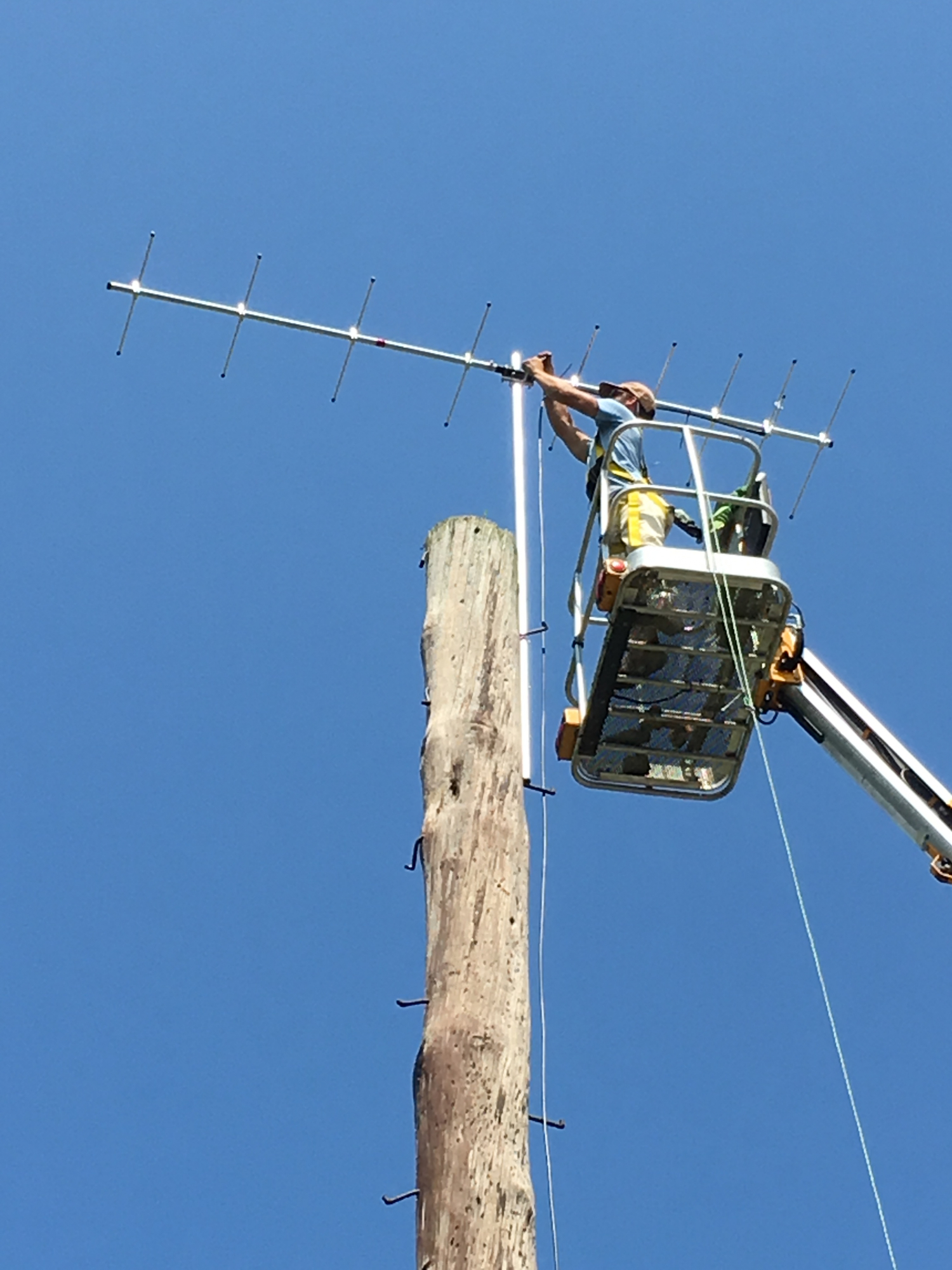
Funding will establish 46 additional telemetry receiver stations in New York, Pennsylvania, Maryland, New Jersey and Delaware, to enhance 30 placed in Pennsylvania over the past two years. The receiver array will be part of the rapidly expanding Motus Wildlife Tracking System (motus.org) which includes more than 500 stations worldwide.

The grant will be used to study eight species of greatest conservation need in the Mid-Atlantic Region: Bicknell’s, Swainson’s, wood  thrushes; blackpoll and Canada warblers; rusty blackbirds; American woodcock; and northern myotis bats.

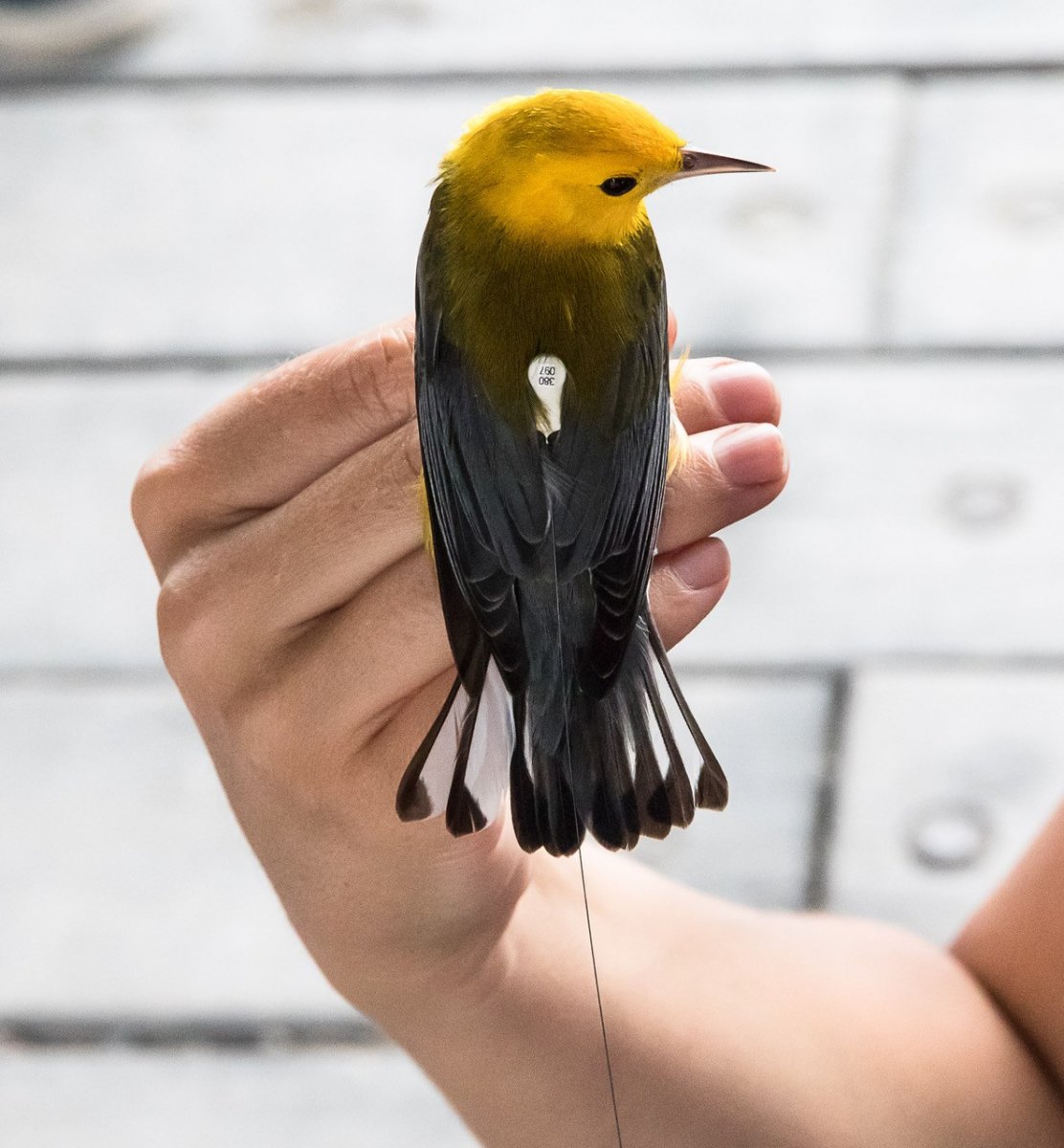
The Motus technology allows scientists to track migrants too small to tag with traditional transmitters, like a gray-cheeked thrush that made a remarkable 46-hour, 2,200-mile flight from Colombia to Ontario.

“This project embodies contemporary wildlife conservation: state and federal government agencies working with private conservation organizations and universities to help species that demand more attention than traditional wildlife management can provide,” explained Pennsylvania Game Commission director, Bryan Burhans. “The agency is indebted to partner organizations, such as the Willistown Conservation Trust and the Ned Smith Center, for their commitment to wildlife. Today, conservation counts on partners more than ever before.”

This network was funded by private donors as well as grants from the Pennsylvania Department of Conservation and Natural Resources and the Richard King Mellon Foundation.

CONTACT Lisa Kiziuk, Willistown Conservation Trust. 610-331-5072, lkr@wctrust.org.

Willistown Conservation Trust, located in Chester County PA, is a land trust focused on preserving open space and habitat protection in the Willistown area. The Trust’s Bird Conservation team has operated the Rushton Woods Bird Banding Station since 2007, and has been a lead partner in the Northeast Motus Collaboration to save migrating bird species since its inception in 2016.”

Filed Under: Bird Conservation, Motus

Willistown Conservation Trust featured on Front Page of Philadelphia Inquirer

July 13, 2018 By Blake Goll

Front Page of Philadelphia Inquirer

Kat Gord, Director of Rushton Conservation Center, and Bonnie Van Alen, Executive Director, are shown walking through the fields at Rushton Farm on the front page of the Philadelphia Inquirer.

On June 19, 2018, Philadelphia Inquirer’s lead article explored how land trusts have become a growing force for good in the region, together protecting thousands of acres of picturesque and environmentally sensitive lands from development. The Trust is honored to be included in this important recognition of what the land trust community has done for this region and beyond. ​ – ​The article highlights Willistown Conservation’s Trust’s strong community support for land conservation, our partnership with the Academy of Natural Sciences, our public nature preserves, our commitment to education and community outreach through the under-construction Rushton Conservation Center, and Rushton Farm’s important role in providing food for our community and local food banks​. ​ – The piece was published online on June 14th and was printed on the front cover of the Philadelphia Inquirer on June 19th. – Read the article online.

Filed Under: Conservation, Land Protection

New Legacy Conservation Easement Protects Beautiful 5.6 Acres

June 15, 2018 By Blake Goll

IMG_4522

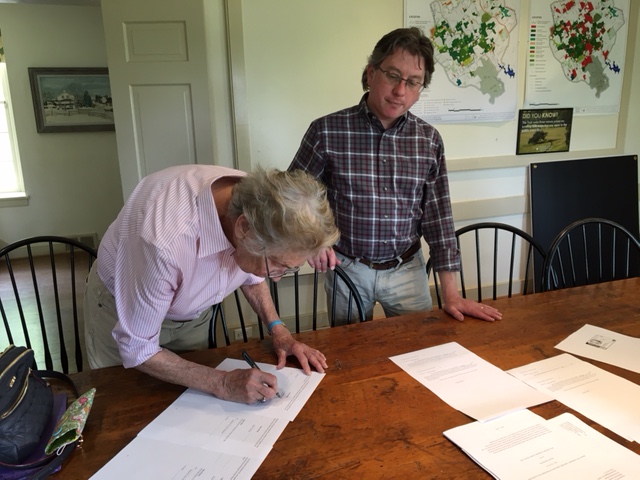
This May, Jean Preston signed an official Legacy Conservation Easement at the Trust’s office, protecting 5.6 acres of land. Her scenic property, off of Dutton Mill Road, features a wooded area and pond that drains to the Ridley Creek. The easement protects the land from further development and limits the property to one primary residence.

A Legacy Conservation Easement is designed for properties less than 8 acres located within the Trust’s 28,000-acre focal area. This type of easement is a simple method to preserve the Willistown landscape by protecting the beauty of the land. Donors of legacy easements are invited to join the Legacy Society – conservation supporters who have made the Trust a giving priority.

The easement additionally recognizes Mrs. Preston’s land as a riparian buffer area and woodland. Riparian buffer areas are crucial to the preservation and improvement of water quality. The trees and vegetation on her property protect the Ridley Creek by shading and filtering water that feeds directly to the creek. The designation of a riparian buffer area recognizes the impact of the land on the Ridley Creek. Mrs. Preston’s easement forever protects not only the land, but also the Ridley Creek.

As with all conservation easements, the protection granted in the easement will remain in perpetuity, even if the land is sold. As part of the work of the Trust, the land will be visited annually by the stewardship staff to monitor the condition of the property.

Filed Under: Uncategorized

Willistown Conservation Trust and the Academy of Natural Sciences of Drexel University Announce Collaboration Establishing Field Study Site

June 5, 2018 By Blake Goll

Willistown Conservation Trust (the “Trust”) is pleased to announce a collaboration with the Academy of Natural Sciences of Drexel University (the “Academy”) that establishes the Trust’s geographic focal area—encompassing the headwaters of four major tributaries of the Delaware River, the Chester, Crum, Ridley and Darby Creeks— as an official Field Study Site of the Academy and Drexel University. The agreement, set forth in a Memorandum of Understanding signed by Bonnie Van Alen, Executive Director of Willistown Conservation Trust, Donna Morasko, Dean of the College of Arts & Sciences of Drexel University, and Scott Cooper, President & CEO of the Academy of Natural Sciences of Drexel University, formalizes the Trust’s program area as a Field Study Site for use by the Academy and Drexel University for collaborative research, education, and outreach activities, with a particular emphasis on watershed activities and the activities of the Center for Academy Science and the Department of Biodiversity, Earth, and Environmental Science.

Willistown Conservation Trust, located in Chester County, is a land trust whose founders have overseen the protection of more than 7,200 acres of open space in the Willistown area since 1979. For the past two decades, the Trust has worked with researchers from many regional academic institutions, including Drexel University, to explore the science behind important issues in conservation, with particular focus on ornithology, agroecology, land use, and habitat restoration. A 2017 grant from the William Penn Foundation allowed the Trust to expand its efforts into watershed protection. In collaboration with researchers from the Academy and co-op students from Drexel University, and pursuant to methodology developed by the Delaware River Watershed Initiative (DRWI), the Trust’s Field Study team is working to establish watershed protection priorities and restoration projects with the goal of enhancing water quality in the four local headwater streams. Results from this Field Study Site initiative will be presented to land trusts and other organizations with a goal of encouraging them to undertake similar watershed protection initiatives in collaboration with research partners.

This Memorandum of Understanding formalizes what has been a longstanding partnership between the Trust, the Academy, and Drexel University. Bonnie Van Alen, Founder and Executive Director of the Trust, is a former member of the Board of Trustees of the Academy, and in 2014, she received an honorary degree from Drexel University’s College of Arts and Sciences. Because of its unique combination of rich natural resources and proximity to Philadelphia, the geographic focal area of the Trust is the frequent classroom of students from the Academy and Drexel, among other area universities and schools. Designation as an official Field Study Site will facilitate similar experiences for professors and students from the Academy and Drexel, including work study experiences for students participating in Drexel’s co-op program. The Trust hopes to provide similar opportunities to additional university partners and will use this Memorandum of Understanding as a model to guide these relationships.

The William Penn Foundation, founded in 1945 by Otto and Phoebe Haas, is dedicated to improving the quality of life in the Greater Philadelphia region through efforts that increase educational opportunities for children from low-income families, ensure a sustainable environment, foster creativity that enhances civic life, and advance philanthropy in the Philadelphia region. In partnership with others, the Foundation works to advance opportunity, ensure sustainability, and enable effective solutions. Since inception, the Foundation has made nearly 10,000 grants totaling over $1.6 billion

Filed Under: Conservation

  • « Previous Page
  • 1
  • 2
  • 3
  • 4
  • 5
  • Next Page »

CONTACT

925 Providence Road
Newtown Square, PA 19073
(610) 353-2562
land@wctrust.org

501(c)(3) EIN 23-2841453

JOIN OUR MAILING LIST

Copyright © 2026 · WCTRUST.ORG